Crafting Custom Residential Homes with Distinctive Designs

Updated: Sep 9, 2025
Building a home is more than just putting up walls and a roof. It’s about creating a space that reflects your personality, lifestyle, and aspirations. When you choose Precedent Developments, you step into a world where every detail is crafted to meet your unique needs. This is not just construction; it’s an art form that blends creativity, functionality, and innovation.
Custom homes allow you to break free from cookie-cutter designs. You get to decide the layout, materials, finishes, and even the smallest features that make a house truly yours. But how do you navigate this exciting yet complex process? Let’s explore the essentials of crafting custom residential homes that stand out with distinctive designs.
Why Choose Tailored Home Designs In Canada?
Tailored home designs in Canada are gaining popularity for good reasons. They offer flexibility, personalization, and a chance to incorporate sustainable practices. But what exactly makes these designs so appealing?
Personalization: You control the floor plan, room sizes, and architectural style. Want a sunroom, a home office, or a chef’s kitchen? It’s all possible.
Quality Control: You select materials and finishes that meet your standards. This means better durability and aesthetics.
Energy Efficiency: Modern tailored homes often include energy-saving features like high-performance windows, insulation, and smart home technology.
Future-Proofing: Designs can accommodate future expansions or modifications, ensuring your home evolves with your needs.
Imagine walking into a home where every corner feels intentional. From the open-concept living area to the cozy reading nook, tailored designs create spaces that inspire comfort and functionality.

The Design Process: From Vision to Reality
Creating a custom home starts with a vision. What do you want your home to feel like? What lifestyle should it support? Once you have a clear idea, the design process unfolds in several key stages:
Initial Consultation
Discuss your goals, budget, and preferences with your architect or builder. This step sets the foundation for everything that follows.
Conceptual Design
Architects translate your ideas into sketches and 3D models. This phase helps you visualize the space and make adjustments early on.
Detailed Planning
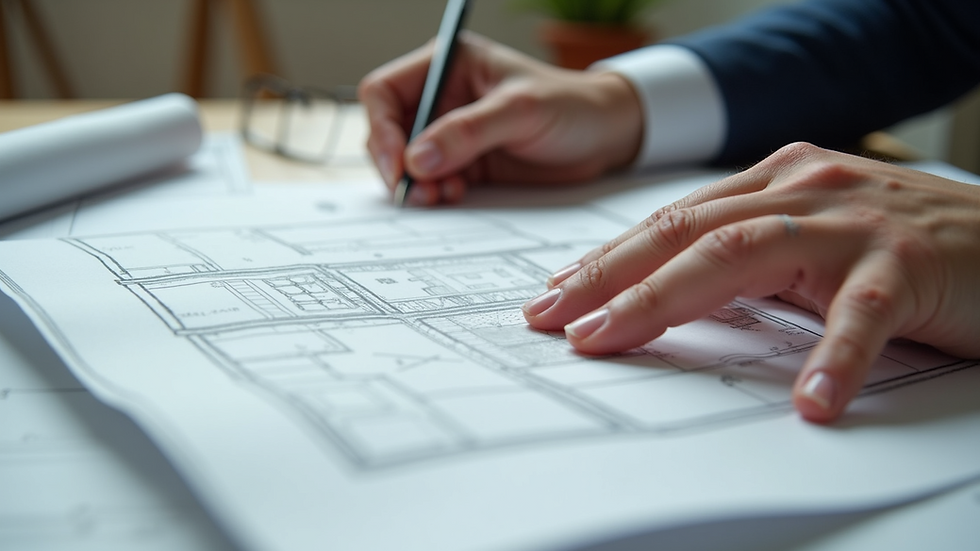
Floor plans, elevations, and technical drawings are developed. This includes structural, electrical, and plumbing plans.
Material Selection
Choose finishes, fixtures, and materials that align with your style and budget. This is where your home’s character really takes shape.
Construction
Skilled builders bring the plans to life, managing timelines, quality control, and site safety.
Final Walkthrough and Handover
Inspect the finished home, address any issues, and receive the keys to your dream house.
Throughout this process, communication is key. Regular updates and site visits ensure your vision stays on track.
How much does it cost to build a custom home in Canada?
Cost is often the first question on everyone’s mind. Building a custom home in Canada varies widely depending on location, size, materials, and design complexity. Here’s a breakdown to help you understand the financial landscape:
Base Construction Costs
Typically range from $200 to $400 per square foot. Urban areas like Calgary may lean toward the higher end due to labor and material costs.
Land Costs
The price of the lot can vary dramatically. Prime locations command premium prices, while outskirts offer more affordable options.
Design and Permits
Architectural fees usually run between 5% and 15% of the total construction cost. Permits and inspections add to the budget but are essential for compliance.
Customization and Upgrades
High-end finishes, smart home systems, and eco-friendly features increase costs but add long-term value.
Contingency Fund
Always set aside 10% to 20% of your budget for unexpected expenses.
For example, a 2,500 square foot home in Calgary with mid-range finishes might cost around $750,000 to $1,000,000. This estimate includes construction, design, and permits but excludes land.
Planning your budget carefully and working with experienced professionals can help you avoid surprises and ensure your investment pays off.

Key Features of Distinctive Custom Residential Homes
What sets a custom home apart? It’s the thoughtful integration of features that enhance both aesthetics and livability. Here are some elements that define distinctive custom residential homes:
Unique Architectural Styles
From modern minimalist to rustic farmhouse, your home can reflect any style that resonates with you.
Open and Flexible Floor Plans
Spaces that flow naturally and adapt to changing needs make daily living more enjoyable.
Natural Light and Views
Large windows, skylights, and strategic orientation maximize sunlight and connect indoor spaces with nature.
Smart Home Technology
Automated lighting, security, climate control, and entertainment systems add convenience and efficiency.
Sustainable Materials and Systems
Using recycled, locally sourced, or low-impact materials reduces environmental footprint.
Outdoor Living Spaces
Patios, decks, and gardens extend your living area and create perfect spots for relaxation or entertaining.
Custom Storage Solutions
Built-in shelves, walk-in closets, and hidden compartments keep your home organized and clutter-free.
Incorporating these features requires collaboration between you, your architect, and builder. The result? A home that’s not just beautiful but also functional and future-ready.
Making Your Custom Home Investment Work for You
Investing in a custom home is a significant financial commitment. But it can also be a smart move if you approach it strategically. Here’s how to maximize your investment:
Choose the Right Location
Proximity to amenities, schools, and transportation affects resale value and lifestyle quality.
Focus on Quality Over Quantity
Prioritize durable materials and craftsmanship rather than just square footage.
Plan for Energy Efficiency
Lower utility bills and increased comfort come from well-insulated walls, energy-efficient windows, and modern HVAC systems.
Consider Market Trends
Stay informed about local real estate trends to ensure your home appeals to future buyers.
Work with Trusted Professionals
Experienced architects, builders, and real estate advisors help you avoid costly mistakes.
Document Everything
Keep detailed records of designs, contracts, and warranties for future reference.
By treating your custom home as both a personal sanctuary and a financial asset, you create lasting value.
For those interested in exploring options, custom residential homes offer a gateway to exceptional living spaces tailored to your vision.
Embracing the Future of Home Design
The future of residential construction is exciting. Advances in technology, materials, and design philosophies are transforming how we build and live. Here’s what to watch for:
Modular and Prefabricated Components
These reduce construction time and waste while maintaining quality.
Green Building Certifications
Programs like LEED and Passive House promote sustainability and health.
Integration of Nature
Biophilic design connects occupants with natural elements, improving well-being.
Customization Through Technology
Virtual reality and 3D printing allow you to experience and tweak designs before building.
Community-Focused Developments
Homes designed with shared spaces and social interaction in mind foster stronger neighbourhoods.
By embracing these trends, you ensure your home remains relevant and valuable for years to come.
Crafting a home with tailored home designs Canada offers is a journey worth taking. It demands vision, planning, and collaboration but rewards you with a space that truly feels like yours. Whether you’re building for comfort, investment, or legacy, the possibilities are as limitless as your imagination. Ready to start? Your dream home awaits.


Comments